
PCB Sourcing Guide
How to Find a Reliable China PCB Manufacturer
Choosing a PCB manufacturer in China is not only about finding a competitive quotation. For prototype builds, low-volume orders, and repeat production programs, buyers also need to evaluate fabrication capability, engineering support, quality control, communication, and delivery consistency.
This guide explains how to compare China PCB manufacturers, what to ask before sending Gerber files, and how to identify a supplier that fits your bare PCB fabrication requirements.
The right PCB supplier should be able to match your technical requirements, documentation expectations, quantity needs, and delivery schedule with a clear and reliable manufacturing process.
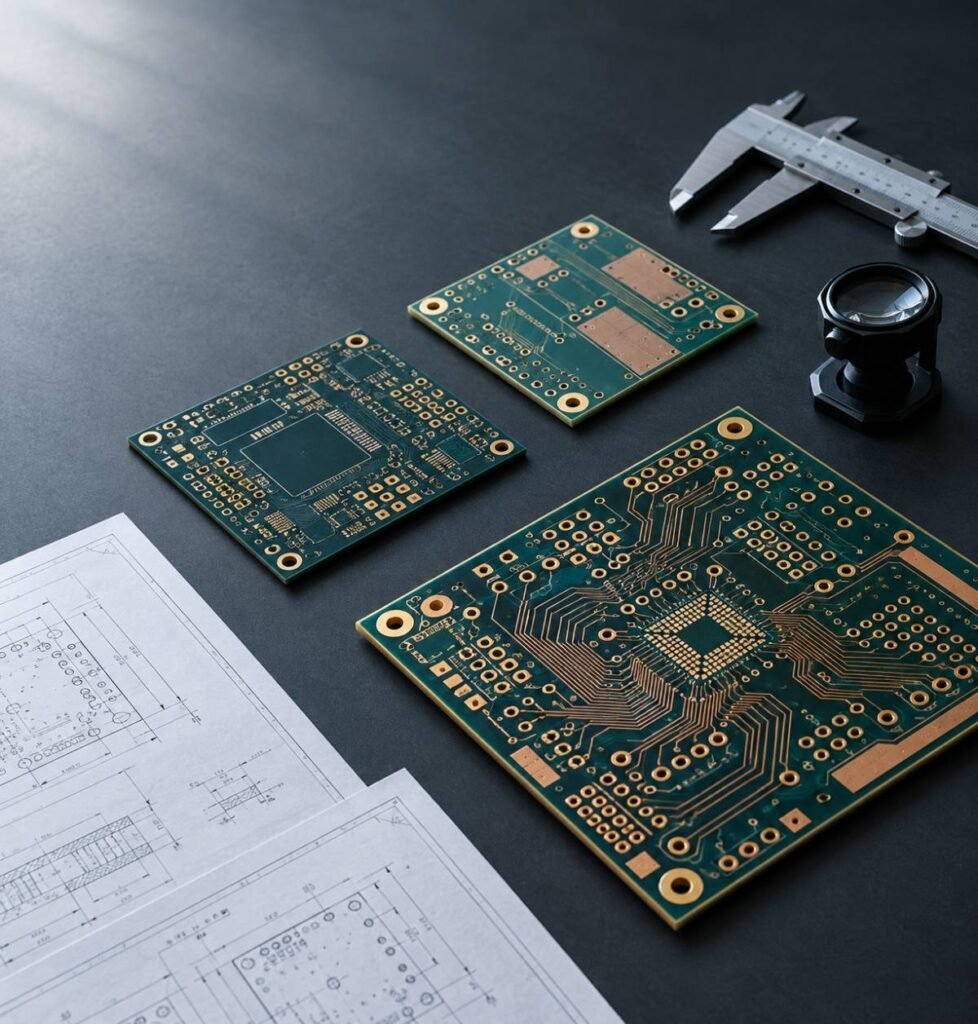
Why Supplier Selection Matters in PCB Sourcing
Selecting the right PCB manufacturer affects far more than the unit price. It influences engineering communication, DFM review, process stability, delivery performance, and the consistency of finished boards from prototype through repeat production.
A supplier may offer an attractive initial quotation but still create project risk if file review is incomplete, material options are unclear, or communication becomes difficult once production begins. These problems can lead to delays, rework, specification mismatch, and unnecessary cost.
For this reason, buyers should evaluate a PCB manufacturer as a long-term fabrication partner rather than as a one-time vendor.
Define Your PCB Requirements Before Comparing Suppliers
Before comparing manufacturers, prepare a clear RFQ package. A supplier can only provide an accurate quotation and useful technical response when the fabrication requirements are sufficiently defined for engineering review.
- Gerber files or complete manufacturing data
- Layer count and finished board thickness
- Base material requirements
- Copper weight and surface finish
- Solder mask and silkscreen requirements
- Minimum trace and spacing requirements
- Hole types and special fabrication notes
- Quantity, target lead time, and shipping destination
Complete project information makes supplier comparison more meaningful. It also helps you see whether a manufacturer is reviewing your files carefully or simply returning a generic price.
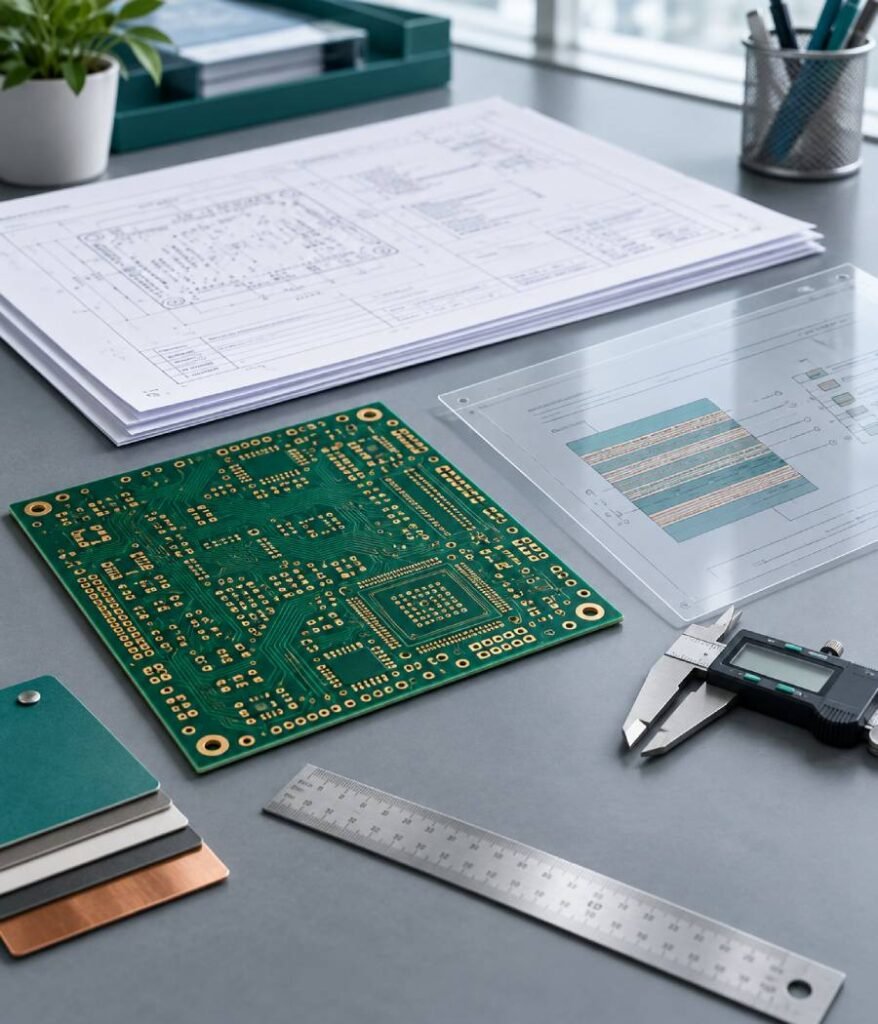
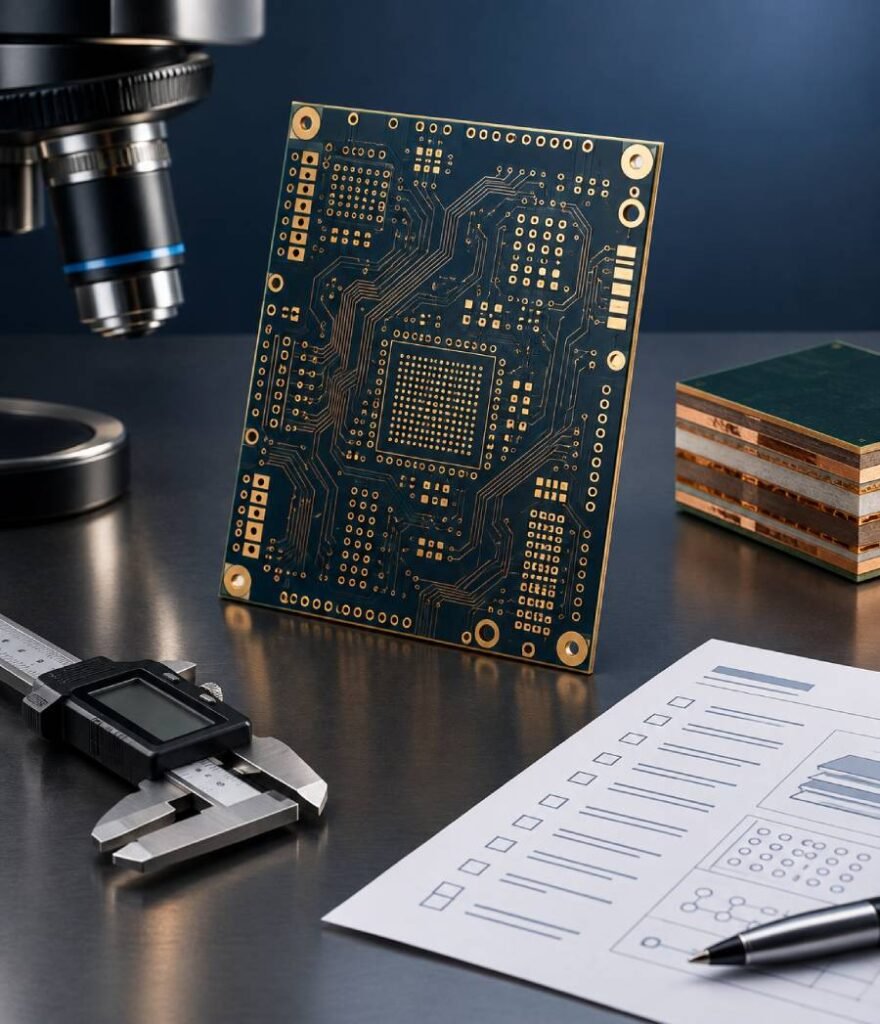
8 Criteria for Evaluating a Reliable China PCB Manufacturer
Confirm that the manufacturer regularly supports your required board type, layer structure, materials, tolerance range, and special process features. This is especially important for multilayer PCB, HDI PCB, rigid-flex PCB, metal core PCB, high-frequency PCB, controlled impedance PCB, or heavy copper PCB projects.
A qualified supplier should be able to explain the relevant process capability rather than only offering a general yes-or-no answer.
A reliable supplier should review your files before production and identify potential manufacturability concerns. Look for meaningful questions about stack-up feasibility, drill structure, annular ring, solder mask clearance, panelization, surface finish, and special fabrication notes.
The quality of DFM communication is often one of the strongest indicators of a serious PCB manufacturer.
Do not rely only on broad statements such as “high quality guaranteed.” Ask how the supplier controls incoming materials, inner-layer processing, drilling, plating, imaging, etching, surface finish, final inspection, and shipment release.
Reliable manufacturers should be able to explain their quality workflow, inspection approach, and handling of nonconforming issues clearly.
Learn About Quality & Engineering Support
A trustworthy PCB supplier should clearly explain available materials, copper options, surface finishes, process limitations, and lead-time differences. Transparent discussion at the RFQ stage helps prevent later changes that may affect board performance, cost, or delivery.
This is particularly important for thermal management, impedance control, special laminates, tight tolerances, and reliability-sensitive applications.
Evaluate the supplier’s response speed, clarity, technical understanding, and ability to answer project-specific questions. For overseas sourcing, communication quality directly affects engineering clarification, production updates, issue resolution, and schedule visibility.
A dependable supplier should keep communication timely, structured, and focused on the actual requirements of your order.
Quoted lead time is not always reliable lead time. A professional manufacturer should explain turnaround based on engineering review, fabrication complexity, production conditions, and order quantity.
Predictable delivery is generally more valuable than an unrealistic fast promise made before files have been reviewed.
Documentation control becomes more important when a project progresses from prototype to repeat production. Confirm that the manufacturer can manage revision updates, engineering questions, fabrication notes, and order records in a clear and traceable way.
Strong documentation practice supports manufacturing accuracy and helps maintain consistency across future orders.
The right supplier for one prototype order may not always be the right partner for future production. Consider whether the manufacturer can support repeat orders, technical communication, stable process execution, and scaling requirements over time.
Long-term PCB sourcing works best when the supplier provides consistency, transparency, and confidence at every stage.
Questions to Ask Before Sending a PCB RFQ
Before placing a first order, ask questions that reveal how the manufacturer actually manages engineering, quality, communication, and production. These questions help you assess whether the supplier is technically prepared for your project.
- Can you review our Gerber files before quotation?
- Can you identify manufacturability concerns before production?
- What PCB types and fabrication ranges do you support most often?
- How are engineering questions handled before production release?
- What inspection checkpoints are used during fabrication?
- Which materials and surface finishes are available for this project?
- How do you manage prototype lead time and repeat-order lead time?
- How do you handle fabrication-note or document revisions?
Red Flags When Comparing PCB Suppliers
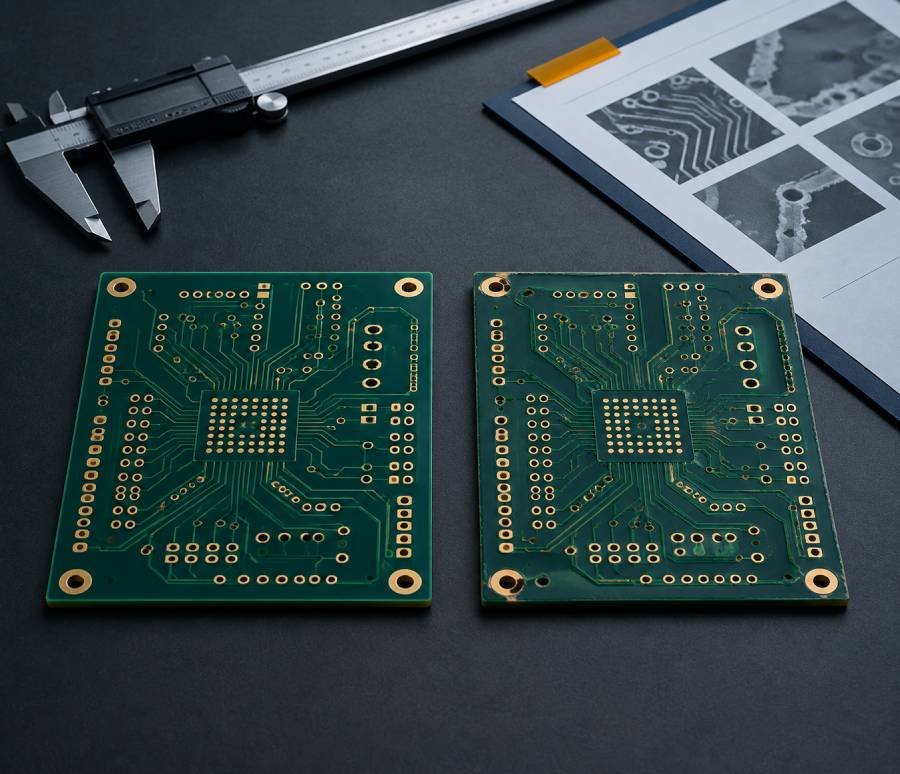
Some warning signs can be identified during the quotation stage. Be cautious if a manufacturer provides immediate pricing without reviewing files, avoids technical questions, uses vague capability claims, or provides inconsistent information about materials, processes, and lead time.
Other concerns include unclear quality explanations, no visible engineering support, unrealistic delivery promises, or a quotation that appears low only because important fabrication details have not been confirmed.
In PCB sourcing, ambiguity before an order is placed often becomes a manufacturing problem later.
Verify a New Supplier With a First Trial Order
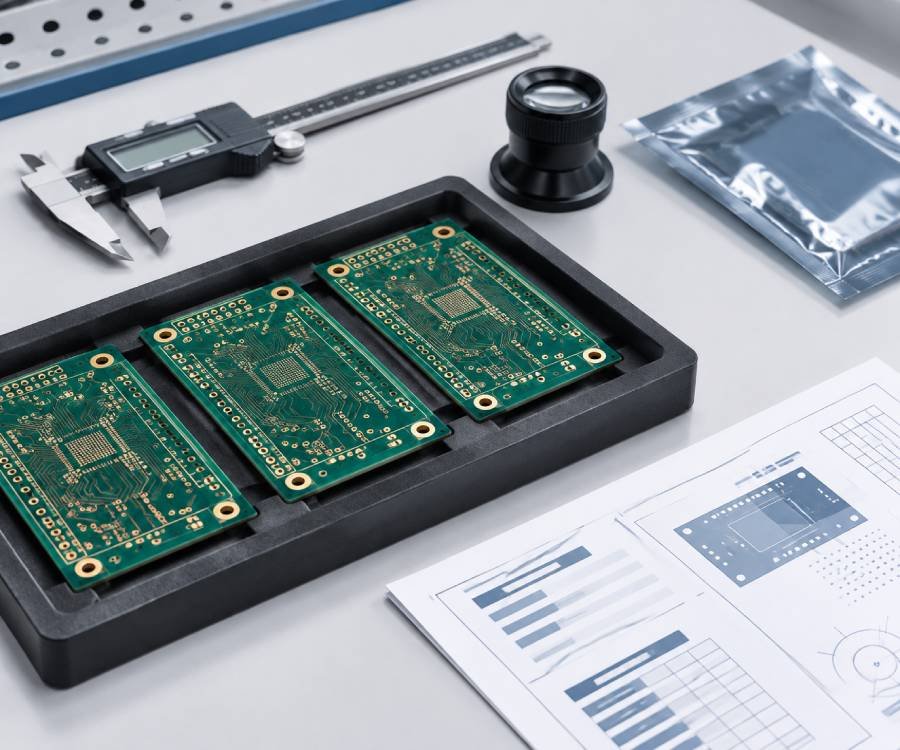
When establishing a relationship with a new PCB manufacturer, a prototype or controlled pilot order is often the most practical first step. It allows you to evaluate engineering response, communication speed, documentation accuracy, manufacturing consistency, and delivery performance under real project conditions.
Do not evaluate the supplier only by the finished boards. Also assess how they manage questions, confirm technical details, provide updates, and respond if an issue needs clarification.
A successful first order provides useful evidence before you move to larger or repeat production quantities.
Evaluate PCBELEC for Your Bare PCB Project
PCBELEC supports custom bare PCB fabrication for prototype, low-volume, and production requirements. Buyers can review our PCB manufacturing capabilities, quality and engineering support resources, and factory information before submitting an inquiry.
Our goal is to provide clear technical communication and practical manufacturing support from quotation review through repeat production requirements.
Frequently Asked Questions
The most important factor is the match between your project requirements and the supplier’s actual fabrication capability, engineering support, quality control process, and communication reliability. Compare pricing after technical fit is confirmed.
No. A very low quotation may be based on incomplete file review, unclear material assumptions, or unrealistic production planning. The lowest initial price can create higher cost later if technical details are not properly confirmed.
Review its capability information, quality-related resources, response to engineering questions, quotation clarity, and communication quality. A prototype or pilot order is also a practical way to assess real performance.
Provide Gerber files, layer count, board thickness, copper weight, material requirements, surface finish, quantity, delivery destination, and any special fabrication notes.
Yes. A prototype or pilot order helps you evaluate DFM support, technical communication, manufacturing execution, and delivery performance before committing to larger quantities.