
China-Based PCB Manufacturer
Why Choose PCBELEC for PCB Manufacturing
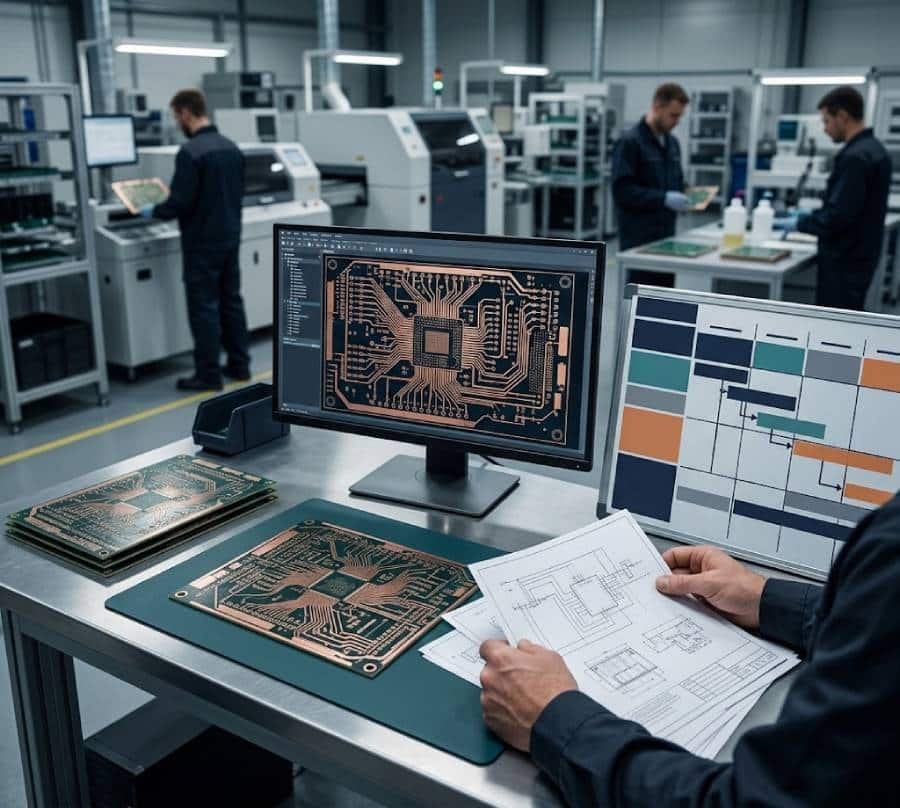
PCBELEC is a China-based PCB manufacturer focused on custom PCB fabrication for prototype, quick-turn, and production requirements. We support customers with engineering review, controlled manufacturing processes, and clear project communication to help reduce uncertainty before production begins.
- Prototype to production PCB fabrication
- Engineering review before manufacturing release
- Quality control throughout fabrication
- Lead time planning based on project requirements
Why us
Why Buyers Choose PCBELEC
Choosing a PCB manufacturer is not only about board price. It is also about manufacturability review, process control, quality consistency, and the ability to support different PCB requirements with clear communication and dependable execution.
Manufacturing-Focused Engineering Review
Before production starts, we review project files, key specifications, and fabrication-related requirements to help identify issues that may affect manufacturability, lead time, or production stability.
Support for Diverse PCB Requirements
We support a wide range of PCB fabrication projects, including multilayer, HDI, rigid-flex, high-frequency, metal core, and other custom PCB requirements based on project review.
Quality Control Throughout Production
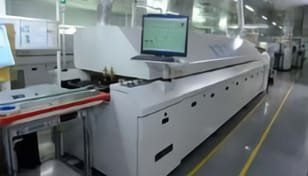
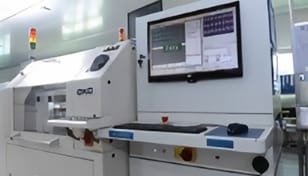
Our workflow includes incoming material checks, in-process control, and final inspection to help maintain consistency across prototype builds and repeat production orders.
Flexible Project and Delivery Support
From standard lead times to urgent prototype needs, manufacturing plans are arranged according to board complexity, quantity, materials, and process difficulty.
Engineering and Quality Support
Reliable PCB manufacturing starts before the board enters production. File review, material planning, process control, and inspection standards all influence the final result, especially for complex, tight-tolerance, or application-specific PCB projects.
PCBELEC follows a manufacturing workflow that includes raw material verification, in-process control, and final inspection before shipment. For applicable projects, we also support DFM-oriented review to help reduce avoidable fabrication risks before release to production.
- Incoming material verification
- In-process manufacturing control
- Final inspection before shipment
Manufacturing requirements and relevant specifications are reviewed according to the scope and technical needs of each project.
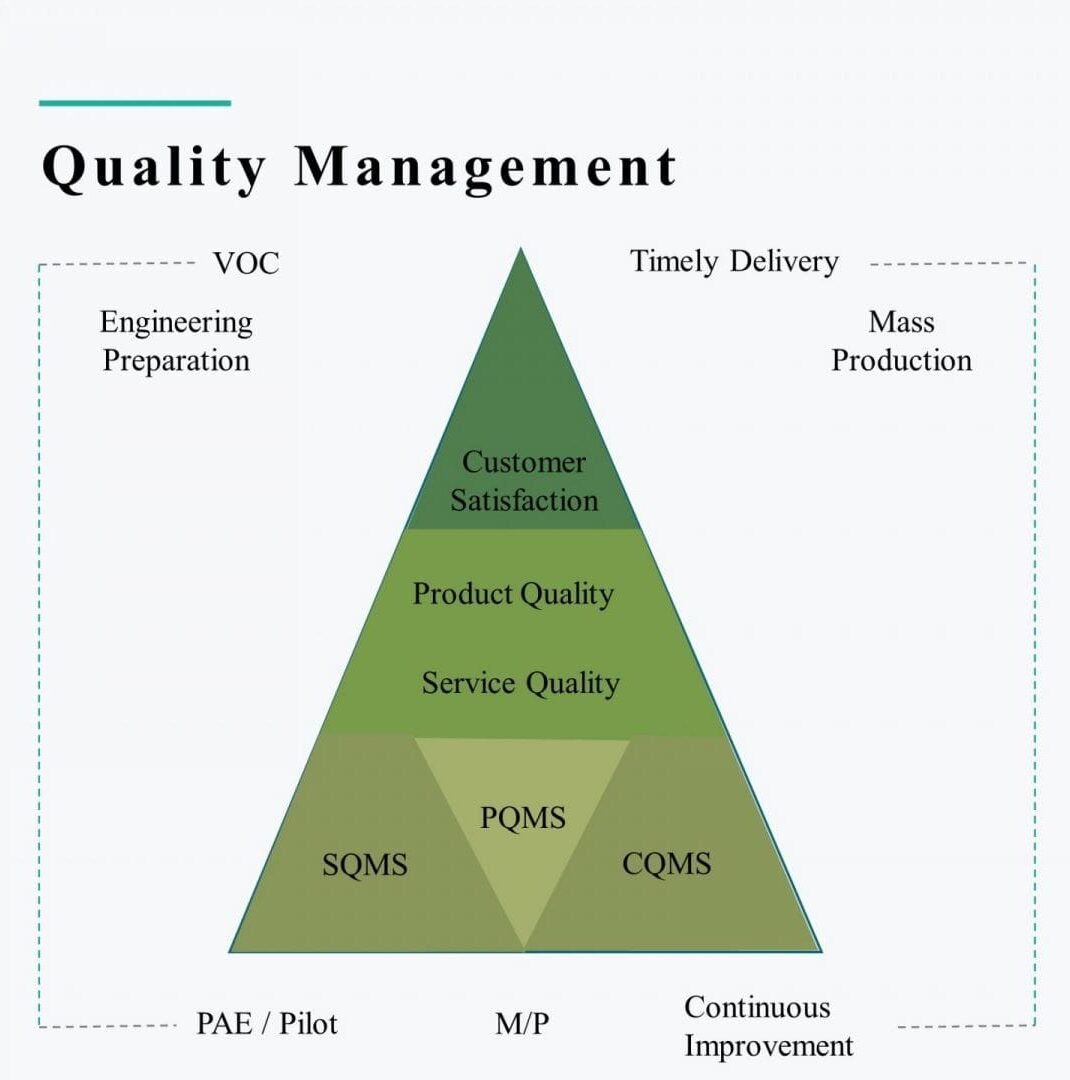
Standards and Process Confidence
PCB manufacturing quality depends not only on equipment and materials, but also on clear process references and inspection criteria. The following standards represent commonly referenced specifications related to PCB fabrication, materials, solder mask performance, and inspection support.
The following references reflect common standards related to PCB fabrication and inspection support.
| Standard | Description | Typical Use in PCB Manufacturing |
|---|---|---|
| IPC-A-600 | Acceptability of Printed Boards | Used as a visual acceptance reference for printed circuit board quality, commonly applied as a workmanship inspection standard. |
| IPC-6011 | Generic Performance Specification for Printed Boards | Provides general performance requirements used as a reference framework for PCB fabrication quality and qualification. |
| IPC-6012 | Qualification and Performance Specification for Rigid Printed Boards | Commonly referenced for rigid PCB manufacturing requirements, with many commercial projects aligned to Class 2 unless otherwise specified. |
| IPC-6018 | Qualification and Performance Specification for High Frequency Printed Boards | Relevant for high-frequency and microwave PCB projects where material behavior and fabrication control are especially important. |
| IPC-TM-650 | Test Methods Manual | Provides recognized test methods for evaluating PCB materials, processes, and finished board performance. |
| IPC-SM-840 | Qualification and Performance of Permanent Solder Mask | Referenced for solder mask performance requirements and related qualification expectations in PCB production. |
| IPC-4101 | Specification for Base Materials for Rigid and Multilayer Printed Boards | Used as a reference for laminate and base material requirements in rigid and multilayer PCB manufacturing. |
| MIL-PRF-55110 | Performance Specification for Military Printed Wiring Boards | Applicable to military-grade PCB requirements when a project specifically calls for this performance specification. |

PCB Manufacturing Capabilities
PCB manufacturing capability is more than a list of numbers. It reflects whether a supplier can support different board structures, material systems, copper weights, thickness ranges, and feature requirements with stable process control and practical engineering coordination.
At PCBELEC, we support custom PCB fabrication across prototype, quick-turn, and production requirements. The capability references below are provided as a general guide to our PCB manufacturing range and should be confirmed according to your Gerber files, technical specifications, material selection, and project requirements.
The following information is intended to help buyers and engineers quickly understand the manufacturing scope we commonly support. For projects involving special structures, tighter tolerances, or advanced material requirements, final capability confirmation should be based on engineering review.
| Capability Item | Reference Range | Notes |
|---|---|---|
| PCB Layers | 1–30 layers | Supports a broad range of PCB structures from simple single-layer boards to more complex multilayer fabrication projects. |
| Laminate Options | FR-4, S1141, S1000-2, IT180A, Isola FR408HR, FR406, Isola 370HR, Rogers, Taconic, Arlon, halogen-free materials, and more | Material selection should be confirmed according to electrical, thermal, mechanical, and application-specific project needs. |
| Max Board Size | 533.4 × 762 mm | Maximum panel or board size depends on the actual PCB structure, process route, and production arrangement. |
| Board Thickness | 0.10–8.00 mm | Available thickness range varies by board type, layer count, copper weight, and material construction. |
| Board Thickness Tolerance | ±0.10 mm / ±10% | Tolerance expectations should be reviewed according to design requirements and applicable fabrication conditions. |
| Copper Thickness | Outer layer: 1/3 oz–10 oz; Inner layer: 1/2 oz–6 oz | Heavy copper capability depends on board design, structure, etching compensation, and process feasibility. |
| Min Mechanical Drill Size | 6 mil (0.15 mm) | Mechanical drilling capability should be evaluated against stack-up design, aspect ratio, and finished hole requirements. |
| Min Laser Drill Size | 3 mil (0.075 mm) | Laser microvia capability is typically relevant to HDI and advanced interconnection structures. |
| Min Line Width / Line Space | 2/2 mil | Fine line capability depends on copper weight, layer structure, imaging process, and final engineering review. |
Capability data helps define the practical manufacturing range of a PCB supplier, but successful production also depends on file quality, material availability, process matching, and project review. This is why engineering confirmation remains an important step before final quotation and production release.


Materials, Finishes, and Supply Support
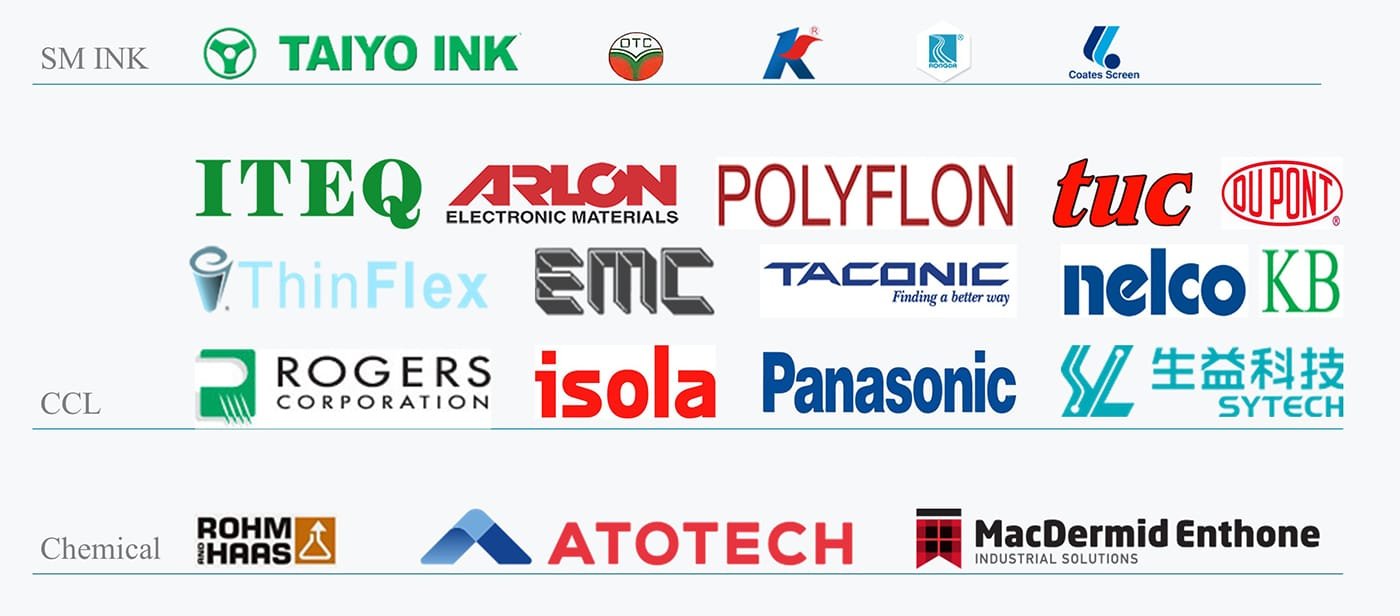
Material selection and surface finish directly affect electrical performance, thermal behavior, reliability, and downstream application requirements. For this reason, PCB fabrication support should include not only manufacturing capacity, but also practical guidance on laminate options, finish selection, and process suitability.
PCBELEC supports common and specialized PCB materials used across different project categories, along with a range of surface finish options selected according to application needs, technical requirements, and project review.
Common Material Options
- FR-4 and high Tg materials
- Rogers and other high-frequency laminates
- Polyimide and selected specialty materials
- Hybrid material options for specific projects
Available Surface Finish Options
- HASL and lead-free HASL
- ENIG
- OSP
- Immersion silver and immersion tin
- Hard gold and selective finish options for applicable projects
Lead Time and Project Coordination
Lead time in PCB manufacturing depends on board complexity, layer count, material availability, quantity, and process requirements. For urgent projects, turnaround planning should be based on the actual fabrication scope rather than a generic promise.
PCBELEC supports both standard production schedules and selected quick-turn PCB requirements. Delivery timing is reviewed according to submitted files and project details so customers can receive a manufacturing plan that better matches the real order scope.
- Prototype and quick-turn support
- Delivery planning based on project scope
- Communication during quotation and order handling
Have a PCB Manufacturing Project?
Send your Gerber files and project requirements for a custom PCB manufacturing quotation. Our team will review the project scope and respond with relevant manufacturing feedback and quotation details.
Next-Step Resources
Review key PCB manufacturing resources to better understand our capabilities, material options, quality support, and quotation process before submitting your project files.
PCB Manufacturing Capabilities
Review our PCB fabrication capability range, including supported layers, materials, board thickness, copper weight, and feature precision for different project requirements.
PCB Materials
Explore commonly used PCB laminate options, high-frequency materials, specialty substrates, and surface finishes for different electrical, thermal, and mechanical requirements.
Quality & Engineering Support
Learn how process control, quality management, engineering review, and manufacturing support help improve consistency from file review to final delivery.
How to Place an Order
See what files and project details are needed to start a PCB manufacturing quotation, engineering review, and production planning process.